
Which-foods-lower-blood-pressure
The Best Foods to Eat to Help Lower Your Blood Pressure
May 8, 2014
Omega 6 fatty acids: what they are and why you need them What exactly are Omega 6 fatty acids, and why do some experts say they’re bad for us?  How does Omega 6 differ from Omega 3 or 9?  If you find all the information about the omega family confusing, this article should help to clear things up. First, the basics. Fatty acids are the building blocks that make up the mono-unsaturated and polyunsaturated  fats and oils in our diets.  Our bodies require them in the same way they require other nutrients, e.g. amino acids, vitamins and minerals. Fatty acids are divided into three major groups according to their chemical structure: Omega 3, 6 and 9.  Omega 6 fatty acids can help to maintain heart1, skin and hormonal health, IF they’re in balance with the other omegas in your diet.  Omega 6 fatty acids also play a role in forming hormone-like compounds called prostaglandins, which can affect our health and wellbeing in various ways.  They also make up a significant proportion of our cell membranes. What’s the right Omega 6 balance? Research suggests that we need an Omega 6 to Omega 3 ratio of around 2-4:1 to support optimal wellbeing and health.  Unfortunately, the balance of these fatty acids in our Western diet is often closer to 14-25:12. In these ratios, the prostaglandins that we produce can actually create inflammation in our various systems, rather than countering it.  The result is that instead of supporting our health, Omega 6 fatty acids may make certain inflammatory conditions worse. Of course, this isn’t to say that we should avoid Omega 6 fatty acids completely.  However, it does mean that we need to ensure our intake is in balance with our intake of other omega fatty acids. Flaxseed oil is one of the most balanced natural Omega 6 sources Many wholegrain and plant foods contain Omega 6 fatty acids. However, none of them contain Omega 6 in a more naturally balanced ratio with other omegas than flaxseed oil. Flaxseed oil is extracted from the seeds of the flax (Linum usitatissimum) bush. Omega ratios can vary somewhat between individual flaxseed oils, but an Omega 3 content of anything up to 65% is not unusual.  Because the remaining fatty acids include both Omega 6 and 9, flaxseed oil is an ideal choice to provide a balanced omega intake. What to look for in a flaxseed oil supplement Omega 6 oils are particularly heat-sensitive, so ensure that any supplement you choose is cold-pressed.   They also oxidise easily, so it’s important to store liquid flaxseed oil in a completely airtight bottle in the fridge. Or, alternatively, choose a capsule – not only do many people find capsules more convenient to take, but encapsulating the oil helps to prevent oxidation. Finally, try to find an organic product.  If the flaxseeds have been grown organically, they’re certified as being free of toxic residues from pesticides or fertilizers.  And the fewer of those you take in, the better! 1William S. Harris, Dariush Mozaffarian,; Eric Rimm, Penny Kris-Etherton, Lawrence L. Rudel, Lawrence J. Appel, Marguerite M. Engler, Mary B. Engler, Frank Sacks. Omega-6 Fatty Acids and Risk for Cardiovascular Disease. Circulation. 2009;119:902-907 2http://www.umm.edu/altmed/articles/flaxseed-oil-000304.htm
Dealing With Kids That are Picky Eaters
June 26, 2017

How Aged Garlic Extract can help your immune system out this winter
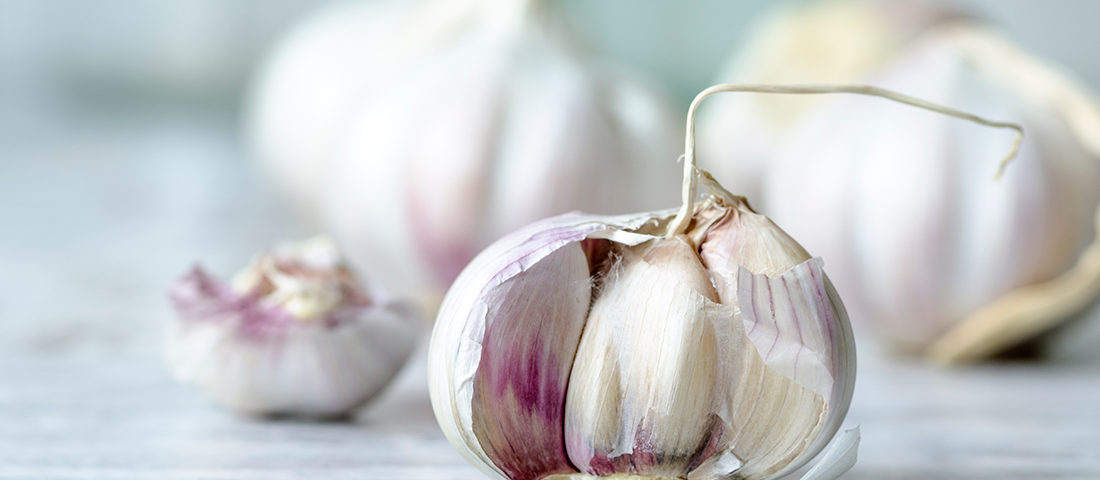
How-Aged-Garlic-can

Curious about how Aged Garlic affects immune system health?

While most people think of garlic as just a pizza topping, you probably already know that it can help to keep you healthy. You might even know that there are different forms of garlic, which each have different properties.

But did you know that studies show Aged Garlic Extract can make a real difference in helping your immune system to fight off winter colds and flu? Here’s a quick rundown on what makes this kind of garlic special, and how it supports your immunity.

What exactly IS Aged Garlic Extract and why is it different?

Aged Garlic Extract is a unique ingredient that starts off its life as fresh, organically grown garlic cloves. Those cloves are picked, peeled, sliced and then naturally aged in controlled conditions for up to 20 months.

As the fresh garlic ages, the harsh, unstable, strong-smelling sulfur compounds within it gradually transform into completely new compounds. These new compounds, including the researched molecule S-Allyl Cysteine (SAC), are milder, more stable, and odour-free.

That means the resulting extract provides all the benefits – immunity and otherwise – of fresh garlic (plus a few more), without causing garlic breath.

How Aged Garlic Extract supports your immune system

One 2011 study compared the immune responses of people who took Aged Garlic Extract for 90 days with those of people in a control group.  After 45 days, the people who took the extract had more of two kinds of immune cells that help to fight off viral infections.

And while people who took the extract experienced the same number of colds as the control group, their symptoms were less severe and shorter-lived.

In other words, Aged Garlic Extract may not be enough, on its own, to stop you catching a winter cold (for that, you also need a strong nutritional foundation). It can however, strengthen your immune system; and may help you to fight off common viral infections quicker than you’d otherwise do.

Where to find Aged Garlic Extract

In Australia, you can find Aged Garlic Extract in the Nutra-Life Kyolic® Aged Garlic Extract range.  This range includes a premium liquid and two capsule-based formulations: one original formula, and one high-potency.

Ask your instore naturopath which Aged Garlic formula is right for you and your family.

REFERENCES

Mr Vitamins Acient Remedy

Mr Vitamins Black Garlic

Mr Vitamins Immune System